Shop all products
by Fox ESS

String Three Phase Inverters

A three-phase string inverter is a type of power inverter used in solar photovoltaic (PV) systems to convert the DC (direct current) electricity generated by solar panels into AC (alternating current) electricity suitable for use in three-phase electrical systems. These inverters are commonly used in commercial, industrial, and large residential solar installations.

Hybrid Single Phase Inverters

A hybrid inverter, is an advanced type of power inverter that combines the functions of a solar inverter and a battery inverter. It allows a solar photovoltaic (PV) system to integrate with energy storage batteries, enabling homeowners and businesses to store excess solar energy for later use.

Hybrid Three Phase Inverters

A three-phase hybrid inverter is a type of power inverter that integrates both grid-tied and off-grid functionalities while managing energy from multiple sources, such as solar panels, batteries, and the utility grid. It is specifically designed for three-phase electrical systems, which are commonly used in industrial, commercial, and larger residential applications.

AC Coupled Single Phase Inverters

An AC-coupled inverter is a type of inverter used in solar and battery storage systems where the solar panels and battery storage interact via AC (alternating current) rather than direct current (DC). This setup is common in retrofit battery storage systems and some hybrid installations.

AC Coupled three Phase Inverters

A three-phase AC-coupled inverter is a type of inverter used in energy storage systems where batteries and solar panels interact via AC power rather than direct current (DC). It is specifically designed for three-phase electrical systems, which are common in commercial, industrial, and large residential applications.

Battery Systems

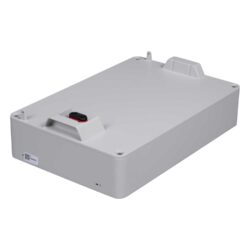
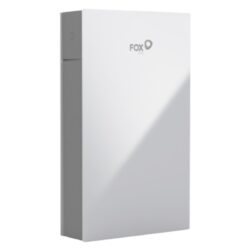
A solar battery is an energy storage system designed to store excess energy generated by solar panels during the day for use at night or during times when solar production is low (such as on cloudy days or during grid outages).

It helps maximise the efficiency of a solar power system by allowing homeowners and businesses to use more of their own solar-generated electricity rather than relying on the grid.